Introduction
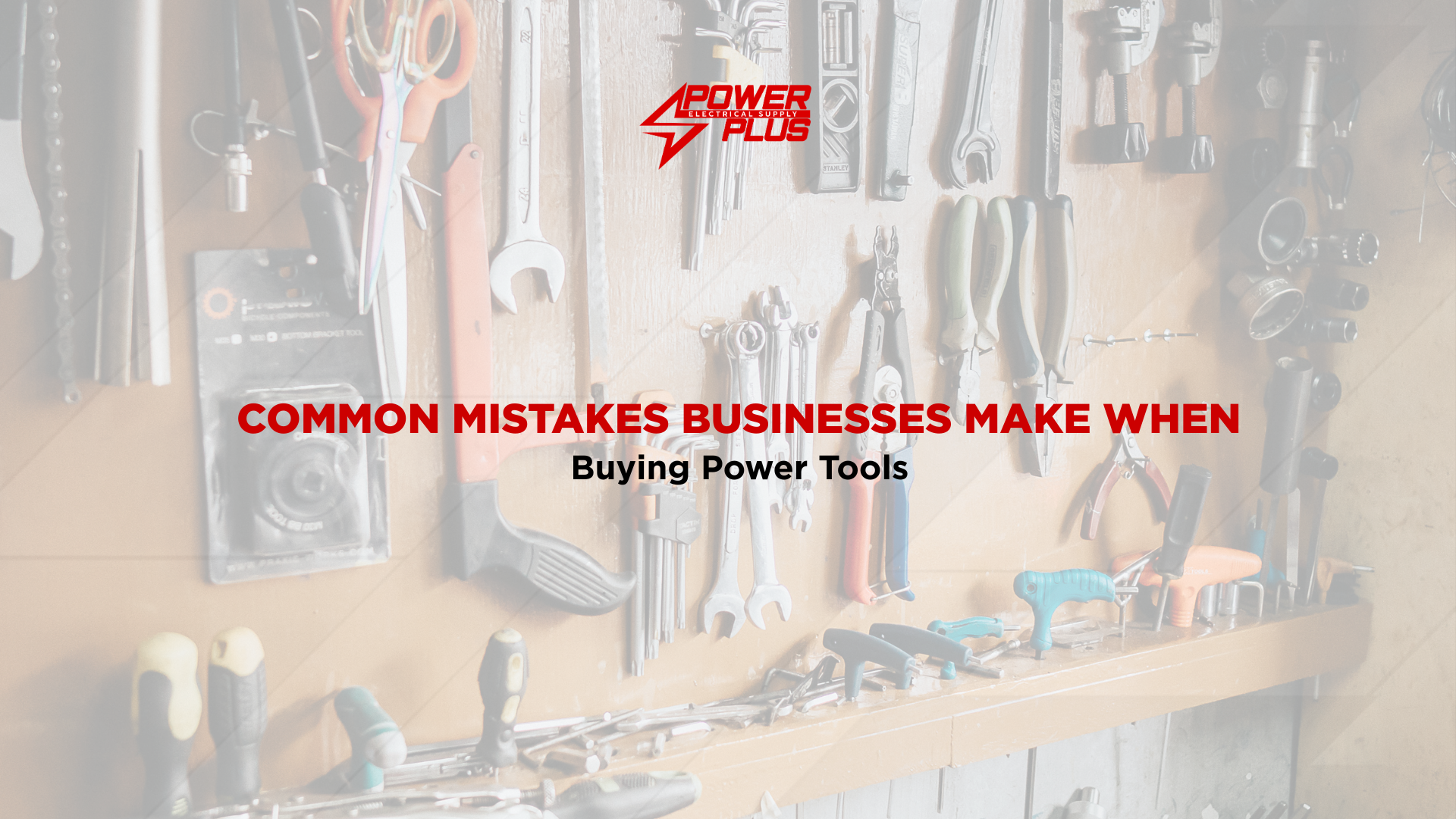
Buying power tools sounds straightforward—until businesses end up dealing with tools that break easily, slow projects down, or can’t handle real workload demands.
A lot of purchasing mistakes happen because businesses focus only on upfront cost instead of long-term value.
Choosing the Cheapest Option Immediately
Budget matters, especially for large projects. But buying the cheapest tools available often leads to:
- Shorter tool lifespan
- Frequent breakdowns
- Lower efficiency
- More downtime
In many cases, businesses spend more replacing cheap tools repeatedly than investing in reliable equipment from the start.
Buying Tools That Don’t Match the Job
Different projects require different levels of performance.
Some businesses buy:
- Tools that are underpowered
- Equipment not designed for industrial use
- Tools unsuitable for long operating hours
Matching tools to actual project conditions is important for productivity and safety.
Ignoring Ergonomics and Worker Comfort
Heavy or uncomfortable tools affect worker performance over time.
Good industrial tools should:
- Be easy to handle
- Reduce fatigue
- Improve control and precision
- Support long working hours
Comfort affects productivity more than many businesses realize.
Forgetting About Supplier Support
A reliable supplier matters just as much as the tool itself.
Businesses should consider:
- Product availability
- Warranty support
- Replacement parts
- Technical assistance
Strong supplier support helps avoid future delays and operational issues.
Conclusion
The right power tools help businesses operate more efficiently, safely, and consistently. Smart purchasing decisions save time, reduce downtime, and improve long-term project performance.
Find reliable industrial-grade tools for your next project.