Introduction
Construction sites are built to move fast—tight timelines, multiple contractors, heavy machinery, and long work hours all happening at once. But when electrical safety gets pushed aside to save time or budget, the risks can become expensive very quickly.
One damaged cable, overloaded outlet, missing protective gear, or poor-quality electrical equipment can stop operations, delay completion dates, and create serious hazards on-site.
That’s why proper electrical safety equipment isn’t just another procurement item—it’s part of keeping projects running safely and efficiently.
Construction Sites Are Naturally High-Risk Environments
Unlike permanent facilities, construction sites change almost every day.
Temporary electrical setups, outdoor exposure, portable tools, and frequent movement make electrical systems more vulnerable.
Common risks include:
- Electrical shock
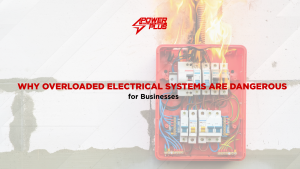
- Overloaded circuits
- Damaged extension cords
- Equipment overheating
- Unexpected outages
- Fire hazards
- Tool malfunction
Even small electrical issues can create larger operational setbacks.
Electrical Safety Equipment Helps Prevent Costly Delays
Most businesses think about safety in terms of compliance—but good electrical safety practices also protect schedules and budgets.
When electrical incidents happen, projects may experience:
- Work stoppages
- Equipment replacement costs
- Delayed turnover dates
- Reduced workforce productivity
- Emergency repair expenses
Reliable safety equipment lowers these risks before they become bigger problems.
Essential Electrical Safety Equipment Every Construction Site Should Have
1. Circuit Breakers and Protection Devices
Circuit breakers prevent excessive current flow and help reduce equipment damage.
Using properly rated protection systems helps maintain stable operations.
2. Ground Fault Protection
Ground fault protection devices help reduce shock risks—especially in environments exposed to moisture or outdoor conditions.
This becomes especially important for temporary site installations.
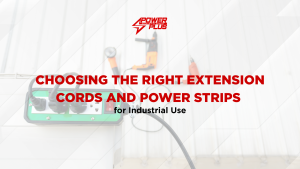
3. Heavy-Duty Extension Cords
Not all extension cords are built for construction environments.
Industrial-grade cords provide:
- Better insulation
- Higher load capacity
- Improved durability
Damaged or undersized cords should be replaced immediately.
4. Insulated Hand Tools
Technicians and electricians working around live systems benefit from insulated tools designed for safer handling.
5. Personal Protective Equipment (PPE)
Electrical PPE may include:
- Insulated gloves
- Safety helmets
- Protective eyewear
- Safety footwear
- Arc-rated protective clothing
Proper PPE supports safer daily operations.
6. Lockout and Isolation Equipment
Before maintenance begins, systems should be isolated properly to reduce accidental energizing.
Lockout procedures improve overall workplace safety.
Choosing the Right Equipment Matters
Buying the lowest-cost option often becomes more expensive later.
When selecting electrical safety equipment, consider:
- Load requirements
- Site conditions
- Equipment durability
- Industry standards
- Long-term maintenance needs
Quality products often deliver better reliability and lower replacement frequency.
Safety Culture Starts with Preparation
Construction safety isn’t only about responding to incidents—it’s about reducing the chance they happen at all.
Teams that prepare ahead typically experience:
- Fewer interruptions
- Better productivity
- More efficient project execution
- Improved workplace confidence
Reliable electrical equipment supports that process.
Conclusion
Construction projects depend on consistent performance, safe operations, and minimal downtime.
Proper electrical safety equipment helps teams work confidently while protecting people, equipment, and project timelines.
Electrical safety isn’t simply a checklist requirement—it’s part of building smarter.
Planning a construction or industrial project?
Get dependable electrical supplies and safety equipment built for demanding environments.