Introduction
For many businesses, electricity is something that’s easy to take for granted—until something goes wrong. Whether you’re operating a warehouse, manufacturing facility, office building, or retail space, your electrical system works behind the scenes to keep everything running smoothly.
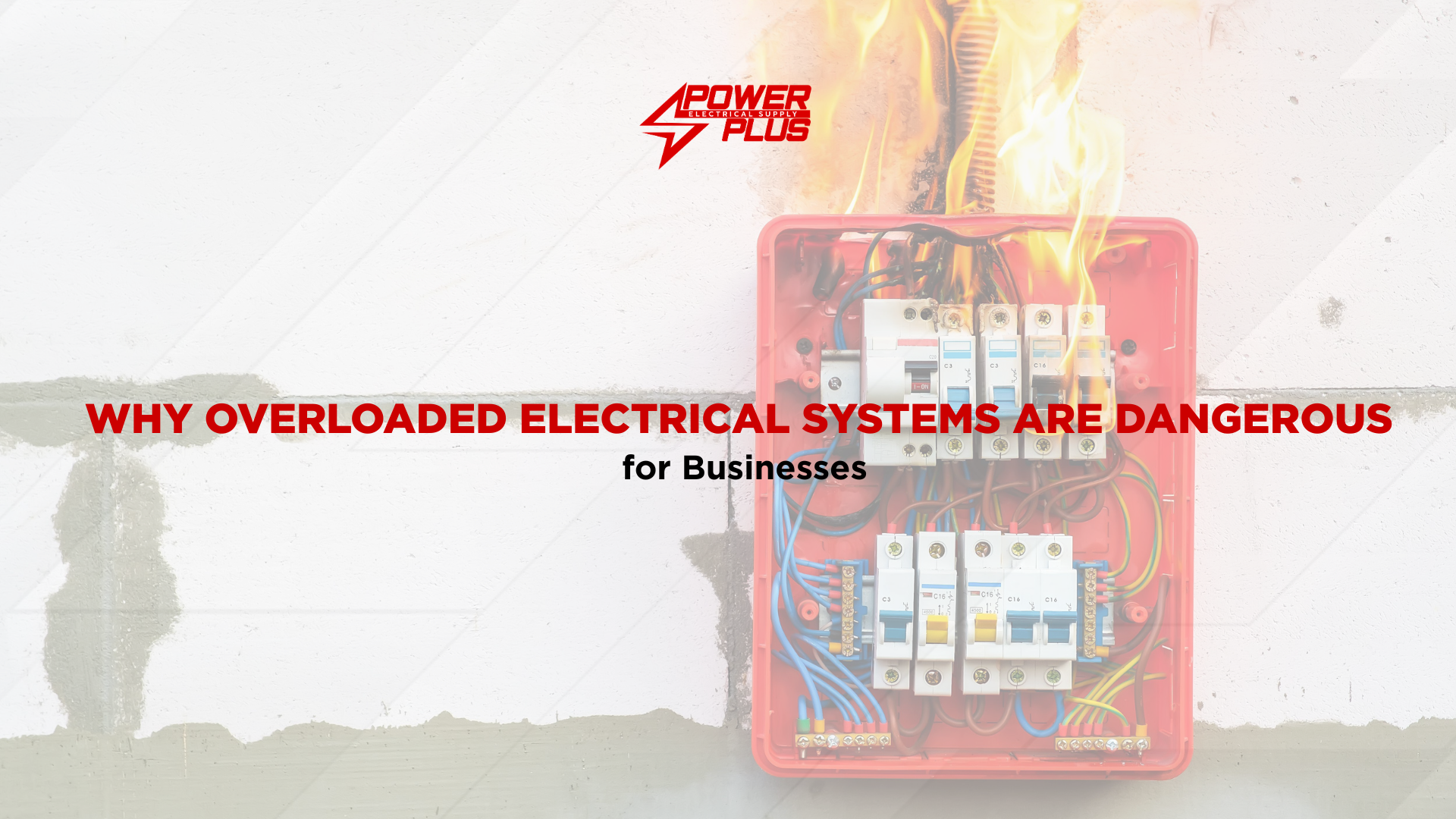
However, as businesses grow and add more equipment, machines, and devices, their electrical systems can become overloaded. What may seem like a minor issue today can quickly turn into expensive downtime, equipment damage, and serious safety hazards.
Understanding the risks of overloaded electrical systems is an important step toward protecting your business, employees, and operations.
What Is an Overloaded Electrical System?
An overloaded electrical system occurs when the demand for electricity exceeds what a circuit, panel, or wiring system was originally designed to handle.
This often happens when businesses:
- Add new equipment without upgrading electrical infrastructure
- Use multiple high-powered devices on the same circuit
- Operate outdated electrical systems
- Rely heavily on extension cords and temporary power solutions
As power demands increase, the electrical system experiences additional stress, making failures more likely over time.
Warning Signs Your Electrical System May Be Overloaded
Many businesses overlook the early warning signs until a major issue occurs.
Common indicators include:
Frequent Circuit Breaker Trips
Circuit breakers are designed to shut off power when circuits become overloaded. If breakers trip regularly, it’s often a sign that the electrical system is struggling to handle demand.
Flickering or Dimming Lights
Lights that flicker when equipment starts operating may indicate insufficient electrical capacity.
Warm Outlets and Electrical Panels
Electrical components should never become excessively hot. Heat buildup can signal overloaded circuits and increase fire risks.
Burning Odors
A burning smell near outlets, electrical panels, or equipment should never be ignored. This could indicate overheating wires or damaged electrical components.
Unexpected Equipment Shutdowns
When power supply becomes unstable, sensitive equipment may shut down unexpectedly, disrupting operations and reducing productivity.
The Real Cost of Electrical Overload
Many business owners focus on keeping operations running without realizing the hidden costs of an overloaded system.
Equipment Damage
Power fluctuations and overloaded circuits can shorten the lifespan of expensive machinery, computers, HVAC systems, and production equipment.
Unplanned Downtime
Even a brief electrical interruption can delay projects, halt production schedules, and affect customer service.
For industrial facilities, downtime can result in thousands of pesos in lost productivity.
Increased Maintenance Costs
Electrical components under constant stress wear out faster, requiring more frequent repairs and replacements.
Workplace Safety Risks
Overloaded electrical systems significantly increase the risk of:
- Electrical fires
- Electrical shock incidents
- Equipment failures
- Workplace accidents
Safety issues not only threaten employees but can also expose businesses to liability concerns.
Why Growing Businesses Are More Vulnerable
One of the most common causes of overload is business growth.
As companies expand, they often add:
- New machinery
- Additional workstations
- Larger HVAC systems
- More computers and servers
- Additional lighting systems
While these upgrades improve operations, the original electrical infrastructure may no longer be sufficient.
Without proper planning, growth can unintentionally create serious electrical risks.
How Businesses Can Prevent Electrical Overloads
Preventing overloads starts with proactive maintenance and planning.
Conduct Regular Electrical Inspections
Routine inspections help identify overloaded circuits, aging equipment, and potential hazards before they become major problems.
Upgrade Electrical Panels When Needed
Electrical panels should match the current and future demands of the facility.
Use Quality Electrical Supplies
High-quality breakers, wiring, connectors, and protective devices help improve reliability and safety.
Avoid Temporary Power Solutions
Extension cords and power strips should never become permanent solutions for power distribution.
Work With Trusted Electrical Suppliers
Reliable suppliers can help businesses choose the right electrical products for their specific operational requirements.
Conclusion
An overloaded electrical system is more than just an inconvenience—it’s a risk to productivity, profitability, and workplace safety.
As businesses continue to grow, electrical infrastructure must grow with them. Investing in proper electrical planning, quality supplies, and routine maintenance helps prevent costly downtime and protects both employees and equipment.
A reliable electrical system provides the foundation for efficient operations, allowing businesses to focus on growth without worrying about unexpected power-related disruptions.
Need dependable electrical supplies for your next project or facility upgrade?
Power Plus Electrical Supply provides trusted electrical products, power solutions, and industrial-grade equipment to help businesses operate safely and efficiently.