Most businesses don’t think about their electrical systems until something stops working.
A sudden power interruption, a failed circuit breaker, or an overheated electrical panel often happens without warning—and unfortunately, these emergencies almost always come with expensive repair bills, project delays, and frustrated employees.
The good news is that many of these issues are preventable.
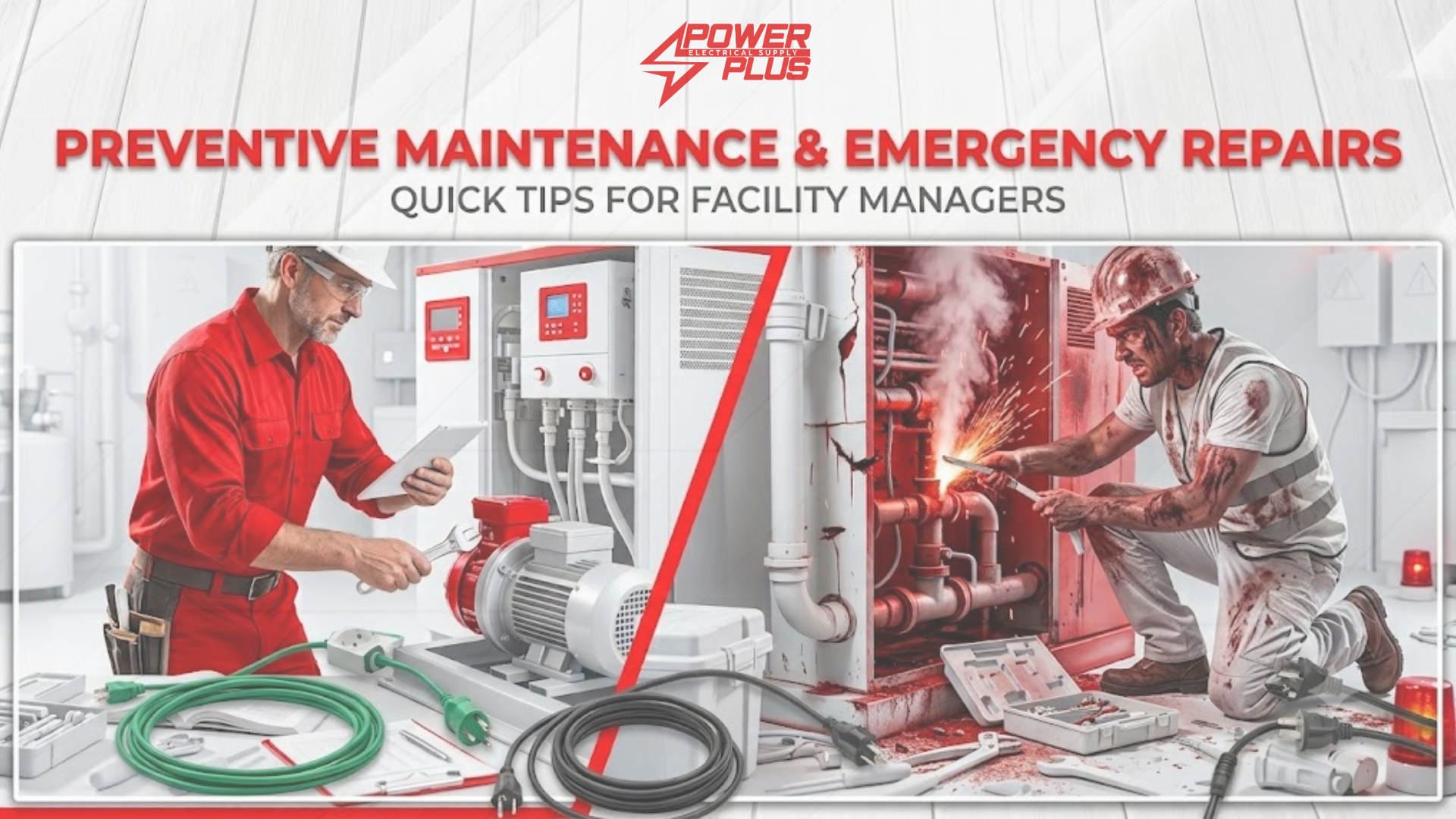
Preventive electrical maintenance helps businesses identify small problems before they become major disruptions. Instead of reacting to emergencies, companies can keep their operations running safely and efficiently through routine inspections and timely replacements.
Whether you’re managing a factory, warehouse, office building, or construction project, preventive maintenance is one of the smartest investments you can make.
Why Emergency Repairs Cost More
Emergency repairs rarely happen at a convenient time.
They often occur during busy production hours, in the middle of a project deadline, or during peak business operations.
Unexpected failures can result in:
- Production downtime
- Missed delivery schedules
- Equipment damage
- Overtime labor costs
- Emergency replacement purchases
- Safety hazards for workers
What might have started as a loose electrical connection can quickly turn into a costly system failure if left unchecked.
What Preventive Maintenance Includes
Preventive maintenance doesn’t always require expensive upgrades.
It focuses on routine inspections and replacing components before they fail.
Typical maintenance activities include:
- Inspecting circuit breakers
- Testing electrical panels
- Checking generators
- Tightening electrical connections
- Cleaning electrical cabinets
- Replacing worn wiring
- Inspecting grounding systems
- Testing backup power systems
These small maintenance tasks significantly reduce the risk of unexpected failures.
Benefits of Preventive Maintenance
Businesses that schedule regular electrical inspections often experience:
Lower Operating Costs
Minor repairs cost significantly less than emergency replacements.
Less Downtime
Equipment continues operating without unexpected shutdowns.
Longer Equipment Life
Electrical components last longer when properly maintained.
Better Workplace Safety
Faulty wiring and overloaded circuits become easier to identify before accidents happen.
Improved Productivity
Employees can continue working without interruptions caused by electrical failures.
Maintenance Is an Investment—Not an Expense
Many companies postpone maintenance to reduce expenses.
Ironically, delaying inspections usually creates much larger repair bills later.
Replacing a worn breaker during scheduled maintenance may cost only a fraction of replacing damaged equipment after a major electrical fault.
Preventive maintenance protects both your equipment and your budget.
Waiting until something breaks is rarely the most cost-effective approach.
Routine preventive maintenance keeps your electrical systems reliable, your employees safe, and your business operating without costly interruptions.
Investing in maintenance today helps avoid expensive surprises tomorrow.
Need reliable electrical supplies for preventive maintenance?
PowerPlus PH offers trusted electrical products, industrial tools, and expert support to help businesses maintain safe and efficient operations.