Introduction
Most businesses focus heavily on buying tools—but not enough on maintaining them.
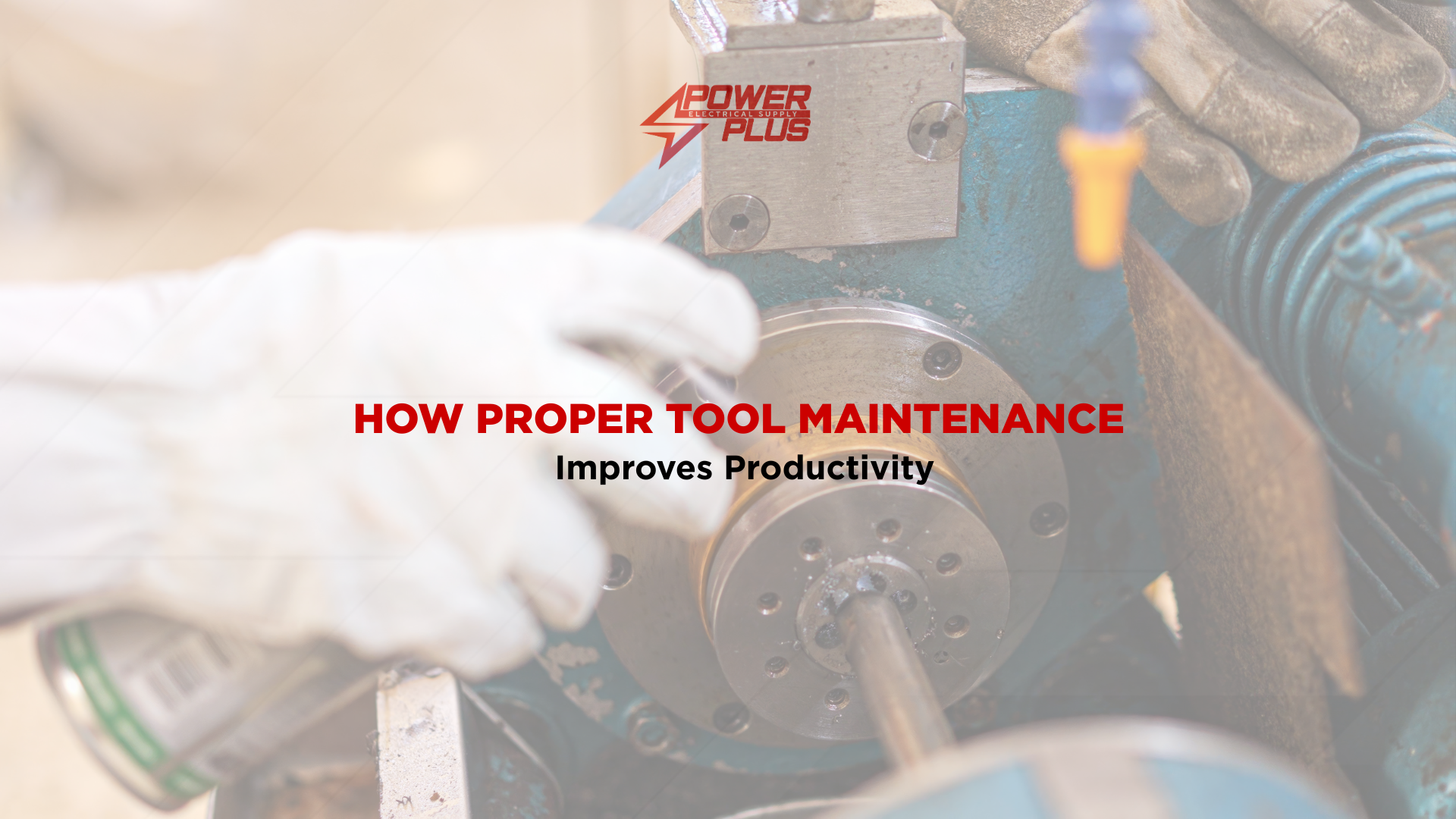
The reality is simple: even expensive tools lose efficiency when they’re poorly maintained. In construction and industrial work, damaged or neglected tools can slow operations down faster than people realize.
Small Maintenance Problems Become Bigger Delays
A loose cord, dull blade, or overheating motor may seem minor at first. But during busy operations, these issues often lead to:
- Unexpected downtime
- Delayed project timelines
- Lower work quality
- Increased safety risks
Many workplace interruptions start with simple maintenance issues that were ignored too long.
Well-Maintained Tools Perform Better
Regular maintenance helps tools stay reliable and efficient.
Simple habits make a huge difference:
- Cleaning tools after use
- Checking electrical cords
- Replacing worn accessories
- Proper storage
- Lubricating moving parts
These routines help equipment last significantly longer.
Maintenance Helps Reduce Costs
Businesses often replace tools too early because of preventable damage.
Good maintenance helps reduce:
- Repair expenses
- Frequent replacements
- Downtime costs
- Productivity losses
Over time, maintenance saves more money than most businesses expect.
Reliable Tools Keep Teams Efficient
Workers perform better when they can rely on their equipment.
Reliable tools mean:
- Faster task completion
- Smoother workflow
- Fewer interruptions
- Better morale on-site
Productivity improves naturally when tools consistently perform well.
Conclusion
Proper tool maintenance is one of the easiest ways to improve productivity and reduce operational problems. A few simple maintenance habits can make a major difference in performance, efficiency, and long-term costs.
Keep your projects running smoothly with reliable tools and equipment.