Industrial and commercial worksites operate in high-demand environments where electrical systems are constantly in use. From heavy machinery to lighting systems and control panels, electrical hazards are part of daily operations. Without proper safeguards, these risks can lead to serious injuries, equipment damage, and costly downtime.
Implementing electrical safety essentials is critical for protecting workers and maintaining operational continuity.
Understanding Electrical Risks in Industrial Settings
Unlike residential environments, industrial and commercial worksites often involve:
- High-voltage systems
- Complex electrical panels
- Continuous machine operation
- Temporary power setups
These factors increase the potential for electrical shock, arc flash incidents, short circuits, and fires.
Identifying risks early helps prevent major incidents.
Essential Electrical Safety Measures
To minimize hazards, worksites should prioritize the following:
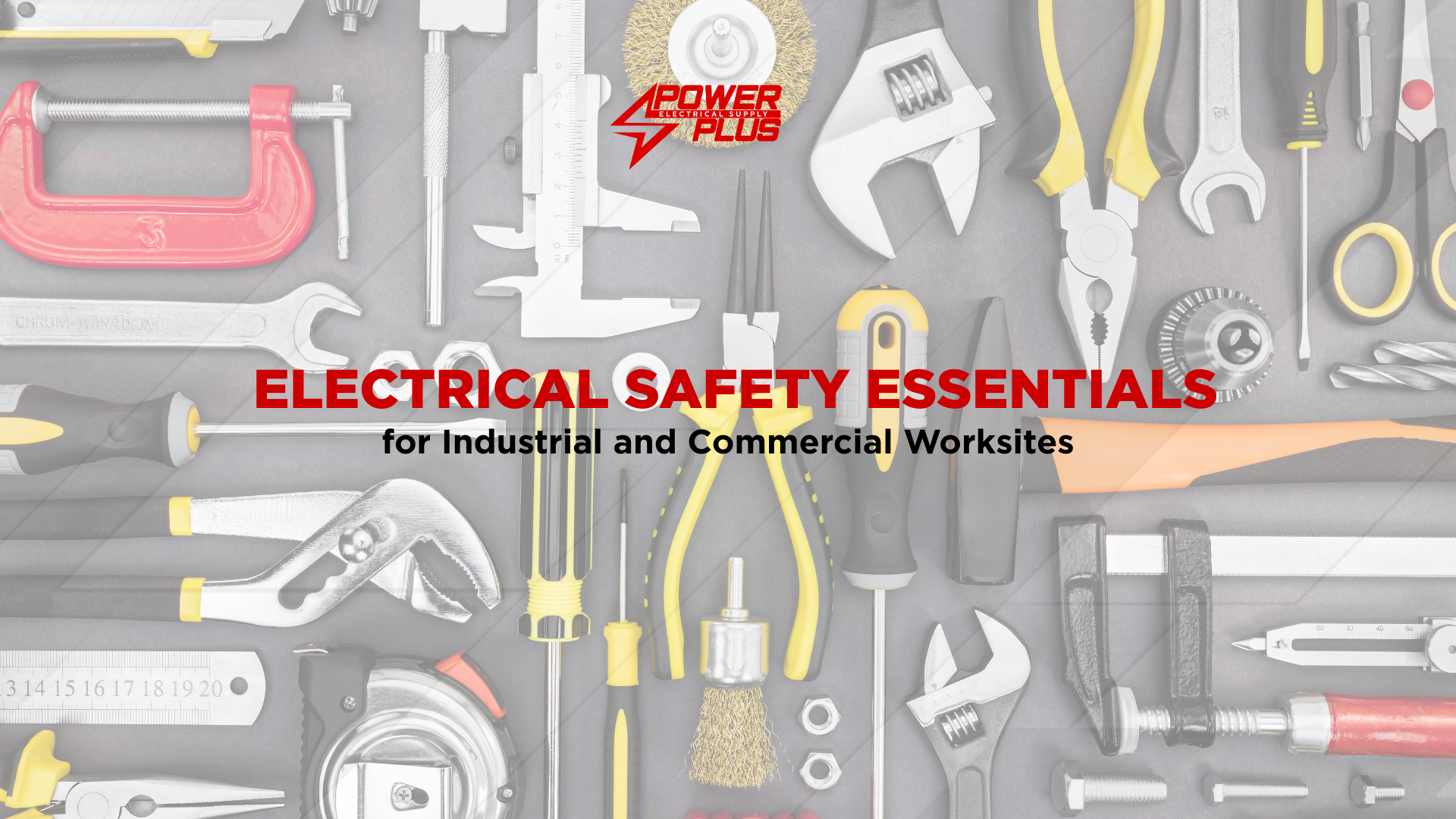
- Use of insulated tools and gloves
- Clearly labeled panels and circuits
- Lockout/Tagout (LOTO) procedures
- Regular electrical inspections
- Proper grounding and circuit protection
Ensuring only trained and authorized personnel handle electrical tasks is equally important.
The Role of Proper Equipment
Using reliable, industrial-grade electrical tools reduces the likelihood of malfunction. Damaged cables, low-quality testers, or unprotected connections increase accident risk.
Investing in compliant and well-maintained equipment supports both safety and efficiency.
Conclusion
Electrical safety in industrial and commercial worksites is not optional—it is essential. With the right tools, clear procedures, and proper training, businesses can significantly reduce electrical hazards and protect both people and operations.
Ensure your site is equipped with safe and compliant electrical tools.
https://powerplus.ph/contact-us/