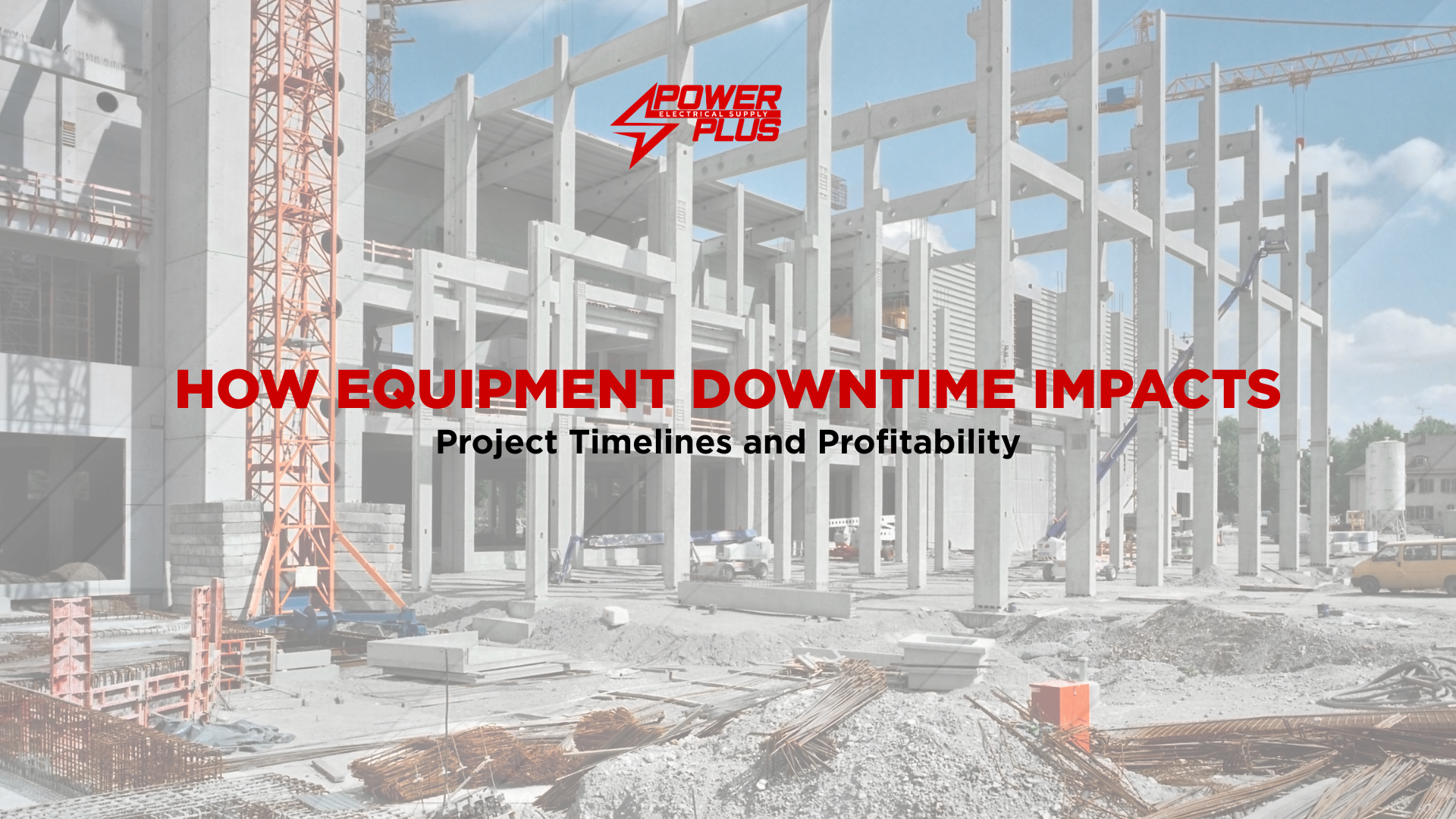
In construction and industrial projects, time is money. When equipment breaks down unexpectedly, operations slow down, deadlines get pushed back, and costs begin to rise. While downtime may seem like a temporary inconvenience, its long-term impact on project timelines and profitability can be significant.
Understanding how equipment downtime affects performance helps businesses make smarter decisions about maintenance, quality, and investment.
The Hidden Cost of Equipment Downtime
Equipment downtime affects more than just productivity. It creates a chain reaction across the entire project.
When a key piece of machinery stops working:
- Workers may remain idle
- Deadlines are delayed
- Overtime costs increase
- Rental replacements add unexpected expenses
- Client trust may be affected
Even a few hours of downtime can disrupt carefully planned schedules. Over time, repeated interruptions can significantly reduce profit margins.
How Downtime Impacts Project Timelines
Construction and industrial projects often follow strict timelines. Delays caused by equipment failure can push back multiple phases of work.
For example:
- Delayed excavation delays structural work
- Delayed fabrication slows installation
- Delayed inspections affect handover
In competitive industries, missed deadlines may lead to penalties or loss of future contracts.
Reliable equipment plays a direct role in keeping operations on schedule.
Profitability and Long-Term Business Impact
Downtime doesn’t only increase immediate costs — it affects long-term profitability.
Frequent breakdowns mean:
- Higher repair and maintenance costs
- Increased operational inefficiency
- Lower team productivity
- Reduced equipment lifespan
Investing in durable, industrial-grade tools and proper maintenance programs helps prevent recurring downtime and protects profit margins.
Preventing Equipment Downtime
Businesses can reduce downtime by:
- Using industrial-grade equipment
- Conducting regular inspections
- Following preventive maintenance schedules
- Training workers on proper equipment handling
- Replacing aging tools before failure occurs
Proactive planning is always more cost-effective than reactive repairs.
Equipment downtime is more than a temporary disruption — it directly impacts timelines, budgets, and profitability. Businesses that prioritize quality equipment and preventive maintenance are better positioned to deliver projects on time and maintain strong client relationships.
Reliable tools are not just operational assets — they are profit protectors.
Looking for reliable equipment that keeps your projects on schedule?
https://powerplus.ph/contact-us/